Airports, for most passengers, are rather complex transportation hubs with dozens of zones, levels, and routes. Because of this, navigating an airport often becomes a source of unnecessary stress: it is not always clear where to go, where one space ends and another begins, and why signs sometimes lead to a terminal and other times to a concourse. Confusion between the concepts of concourse vs. terminal is especially noticeable in large international airports, where a misunderstanding of the structure can cost time, nerves, or even result in a missed flight. From our own experience, we know that a clear understanding of airport logic significantly simplifies travel. That is why we recommend paying attention to SkyVip services, as they remove the need to figure out these nuances on your own and allow you to pass through all stages quickly, calmly, and without unnecessary tension.
What is a terminal at an airport?
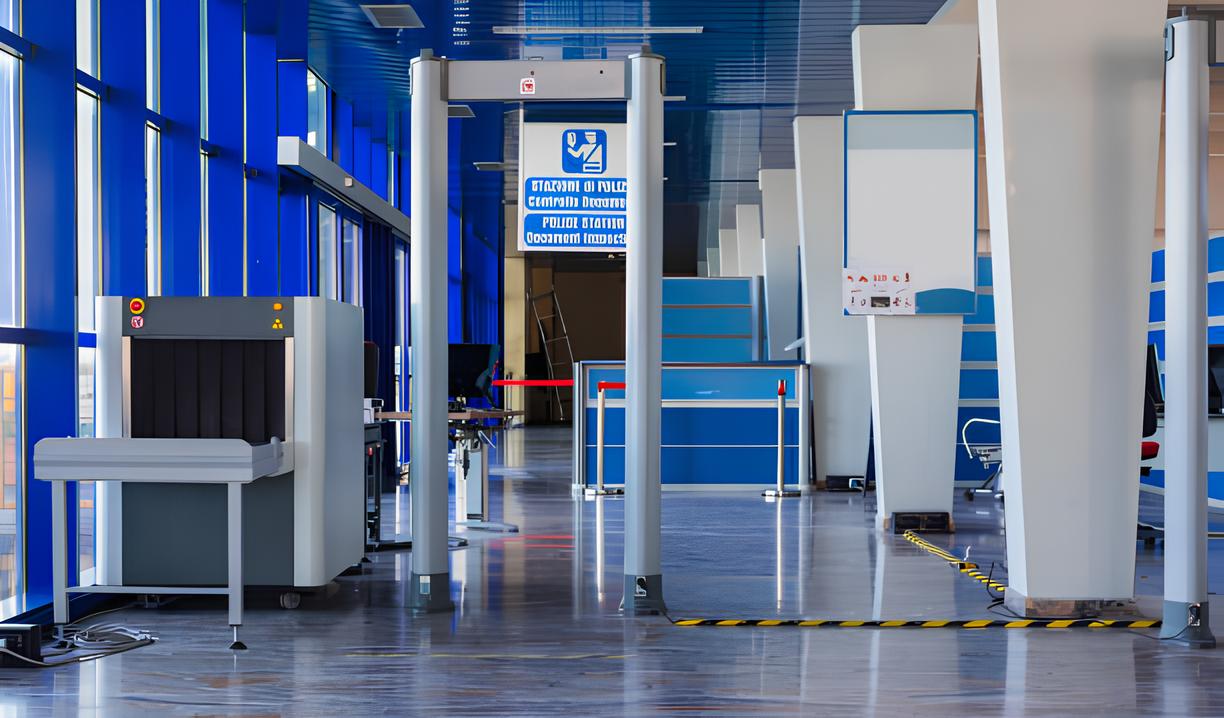
The first thing a passenger encounters at any airport in the world is the terminal. A terminal is the main building or a complex of buildings where all key travel processes take place. This is where the first interaction with the airport begins: check-in, baggage drop-off, security screening, and passport and customs controls. After arrival, the terminal once again becomes the central point - here passengers collect their baggage and complete the necessary formalities before exiting into the city.
Terminals can differ in type and function. In some airports, there are separate terminals for domestic and international flights; in others, terminals are designated for different airlines or alliances. The standard terminal structure includes a public area, a departures area after security screening, and an arrivals area. This is the space where most services are concentrated: restaurants, shops, lounges, and information desks. It is in the terminal that the first impression of a journey is formed. Queues, navigation, and the speed of procedures directly affect a passenger’s mood. By pre-ordering SkyVip services, you receive personal assistance, priority passage through formalities, and no waiting time.

What is a concourse at an airport?
After passing the required control procedures inside the terminal, passengers enter the concourse. The concourse is an area that is directly part of the terminal, but has a clearly defined purpose. It is here that the gates, flight waiting areas and boarding gates are located. If the terminal is a service center, then the concourse is the final stage before departure.
Concourses can differ significantly from one another. In large airports, there may be several of them, sometimes connected by trains, tunnels, or walkways. Some concourses are compact and serve a few flights, while others are vast spaces with their own shops, lounges, and relaxation areas. However, their main function is always the same: to organize passenger waiting and boarding. Clear navigation and precise timing are especially important in the concourse. A navigation error or a delay on the way to the gate can create tension in the final minutes before a flight.

Key differences between terminals and concourses
To clearly understand the difference between a terminal and a concourse, it is important to look at them comprehensively. A terminal is a large, multifunctional center where all major formalities and services are concentrated. It usually has significant size, a complex internal structure, and intensive passenger flow. A concourse, in turn, is a more specialized area focused on waiting for flights and boarding.
The difference also lies in the nature of passenger movement. In the terminal, flows are diverse: passengers arrive, depart, and move between zones. In the concourse, movement is more directed and tied to specific flights and gates. Services in the terminal are broader, while in the concourse they are subordinated to the waiting-for-departure function. SkyVip's Meet & Greet service actually eliminates the need to understand these differences on your own. We take care of navigation between all zones, optimize the route regardless of the airport’s scale, and provide personal assistance both in the terminal and in the concourse. The passenger does not need to think about where one zone ends and another begins.

The connection between terminals and concourses
Terminals and concourses do not exist separately; they operate as a single system. The terminal ensures passenger check-in and preparation for the flight, while the concourse is responsible for the final organization of boarding. The effective interaction of these zones allows airports to handle large passenger flows without overload. SkyVip integrates into this system, ensuring a smooth and logical transition between all stages of the journey. We accompany the passenger from the terminal entrance to the gate in the concourse, eliminating delays and uncertainty.
Even if you clearly understand the difference between a terminal and a concourse, a real airport is rarely simple and predictable. Gate changes, long distances, queues, language barriers, and limited time can easily turn a journey into a stressful quest. By choosing SkyVip - especially the Meet & Greet service - you entrust organizational details to professionals and gain comfort, speed, and confidence at every stage of your journey.
Recent from our Blog